
Virtual Home Staging vs. Traditional Home Staging: What Sellers and Agents Need to Know
- Nedra D Hines

- Jul 8, 2021
- 3 min read
Updated: Jan 3
Over the last few years, virtual home staging—sometimes called AI staging—has grown rapidly in popularity. As technology improves and listing photos become even more important, many sellers and agents are asking whether virtual staging is a smart alternative to traditional home staging.
Virtual staging involves digitally adding furniture and décor to listing photos using graphic design or AI software. These images are then used when the property is listed on the real estate market.
While I currently do not offer virtual home staging, I do believe it has a place. However, it’s important to understand what virtual staging does well—and where it falls short, especially in today’s buyer’s market.
Why Virtual Home Staging Has Become So Popular
The biggest reason sellers and agents are drawn to virtual staging is cost. Virtual staging is typically far less expensive than traditional home staging, and in a market where sellers are already feeling financial pressure, that can be appealing.
As the saying goes: you get what you pay for.
Virtual staging can be a useful marketing tool, but it’s not a replacement for what physical staging accomplishes.
What Virtual Staging Does Well
Through conversations with other professional home stagers—both those who offer virtual staging and those who don’t—there are a few areas where virtual staging can be effective:
Helping online buyers understand room function
Virtual staging can help buyers visualize how a space might be used when viewing photos online.
Improving listing appeal at first glance
Digitally staged photos often look polished and eye-catching, which can increase online clicks and showings.
Supporting listing presentations
Agents may find virtual staging helpful when walking clients through potential layouts during office presentations.
In short, virtual staging can help get buyers to the property.
Where Virtual Home Staging Falls Short
The biggest limitation of virtual staging is that it ends at the screen.
Once buyers step inside the home, the experience changes completely.
1. No Emotional Connection In Person
Buyers may understand the layout online, but once they enter an empty home, the emotional impact disappears. Empty rooms feel cold, echoey, and unfinished—none of which encourages confident offers.
2. Misleading Expectations Can Hurt Value
Many buyers feel disappointed or misled when they arrive at a virtually staged home that is completely vacant. This disconnect can raise red flags and, in some cases, encourage lowball offers.
In fact, we’ve had listings reach out specifically requesting physical staging after being virtually staged because buyers said the photos didn’t match reality.
3. Virtual Staging Does Not Showcase True Space
Traditional home staging helps buyers understand:
Scale
Furniture fit
Flow and usability
Perceived square footage
Virtual staging cannot demonstrate how a home feels to walk through. It offers perceived value online, but no physical reassurance in person.
Virtual Staging vs. Traditional Home Staging: Who Does It Really Benefit?
This is where the distinction matters most.
Virtual staging primarily benefits the listing marketing
Traditional home staging benefits the buyer experience and the seller’s bottom line
Virtual staging may drive traffic to the listing, but traditional staging:
Builds buyer confidence
Strengthens emotional connection
Supports price and negotiation
Helps homes sell faster and stronger
In a cautious buyer’s market, confidence is everything.
When Virtual Home Staging May Make Sense
Virtual staging can be appropriate in certain situations, such as:
Remote or sight-unseen buyers
Rental listings or investor properties
Listings where physical staging is not feasible
If you choose virtual staging, quality matters. Poorly rendered furniture, incorrect scale, or unrealistic lighting can damage credibility. Just because you can virtually stage a photo doesn’t mean you should.
Bad virtual staging can do more harm than leaving a space vacant.
Final Thoughts on AI Staging and Virtual Home Staging
Virtual home staging is not inherently good or bad—it’s a tool. Like any tool, its effectiveness depends on how and when it’s used.
For sellers who want to maximize value, minimize risk, and create real emotional connection, traditional home staging remains the gold standard.
In today’s market, buyers don’t just need to see potential—they need to feel it.
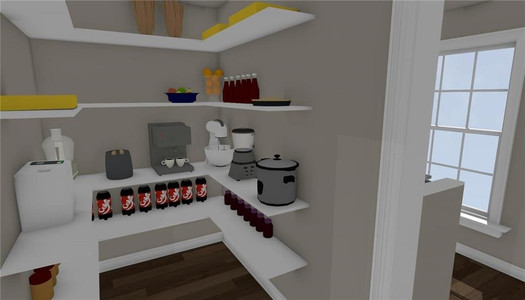
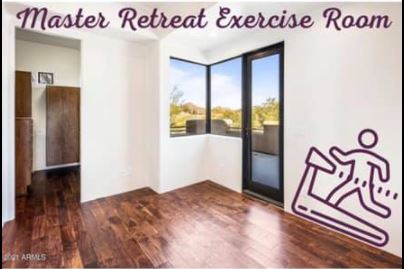
The below MLS photos of Virtual Home Staging prove that just because you CAN do something, doesn’t mean you SHOULD.






Comments